The updated Z Box keeps the same compact size, but the exterior has been refined in several practical ways. Instead of changing the footprint, this update focuses on the parts users notice every day: airflow, surface finish, visual consistency, and clearer front-panel feedback.
For a living-room device, exterior design is not only about appearance. It also affects how the product fits into a setup, how easily heat can leave the enclosure, and how clearly the device communicates its current state.
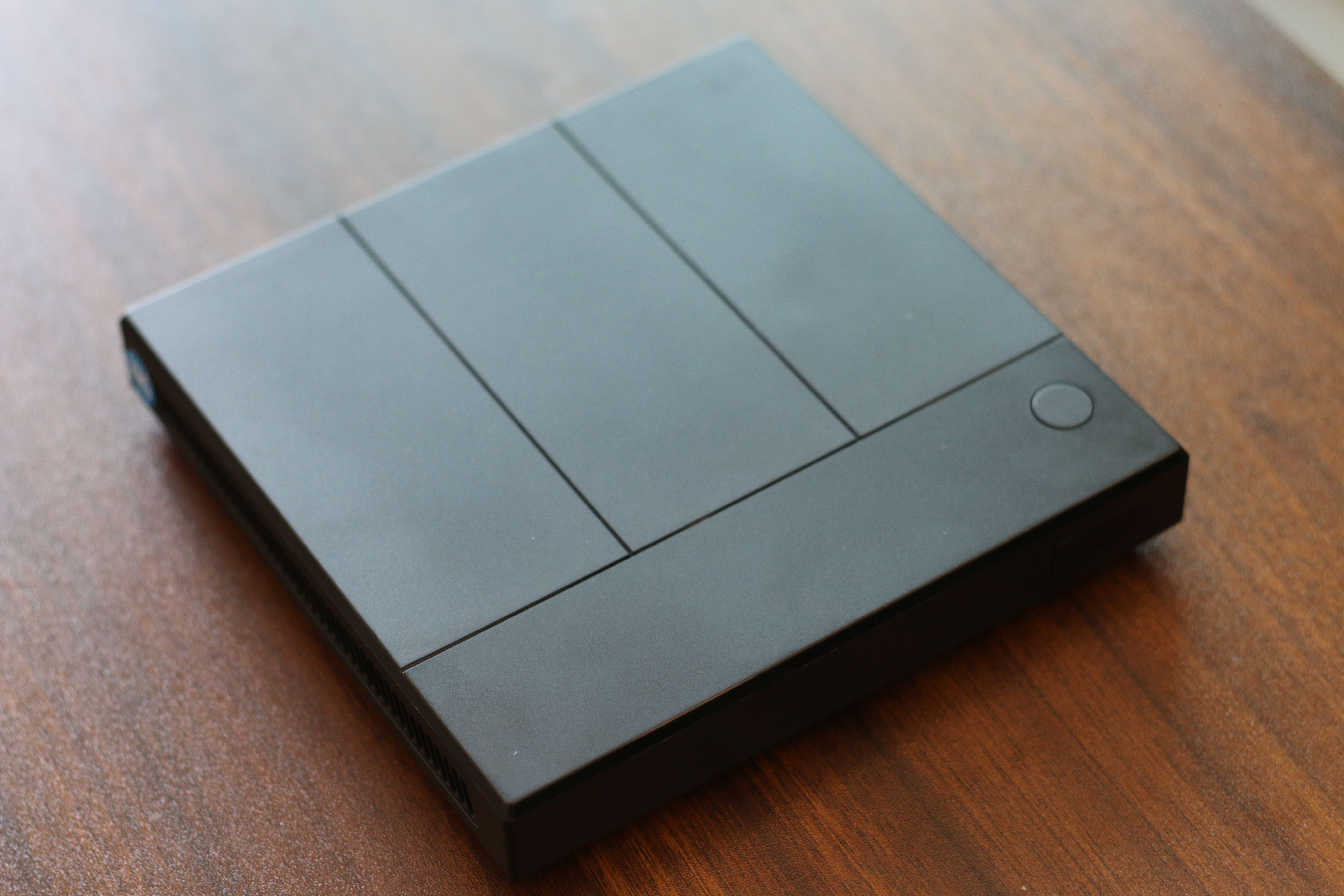
Same Footprint, More Useful Details
The overall exterior dimensions remain unchanged. This matters because existing setups, shelves, TV cabinets, desk spaces, and cable layouts do not need to be reconsidered around a larger device.
Instead of making the box bigger, the updated design improves the enclosure within the same familiar form. The result is still compact and easy to place, but the surface and ventilation details are more aligned with how the Z Box is used under real workloads.
More Ventilation on the Sides and Bottom
Both side panels now include more small ventilation openings. These added vents give the enclosure more paths for air movement, helping the cooling system work with the case instead of fighting against it.
The bottom of the enclosure has also been updated with additional ventilation holes. Bottom airflow is important because warm air management is a full-system problem: intake, internal circulation, and exhaust all need enough open area to support stable operation.
These changes are intentionally subtle. From the outside, the Z Box still looks clean and compact, but the enclosure now gives the internal cooling system more breathing room.
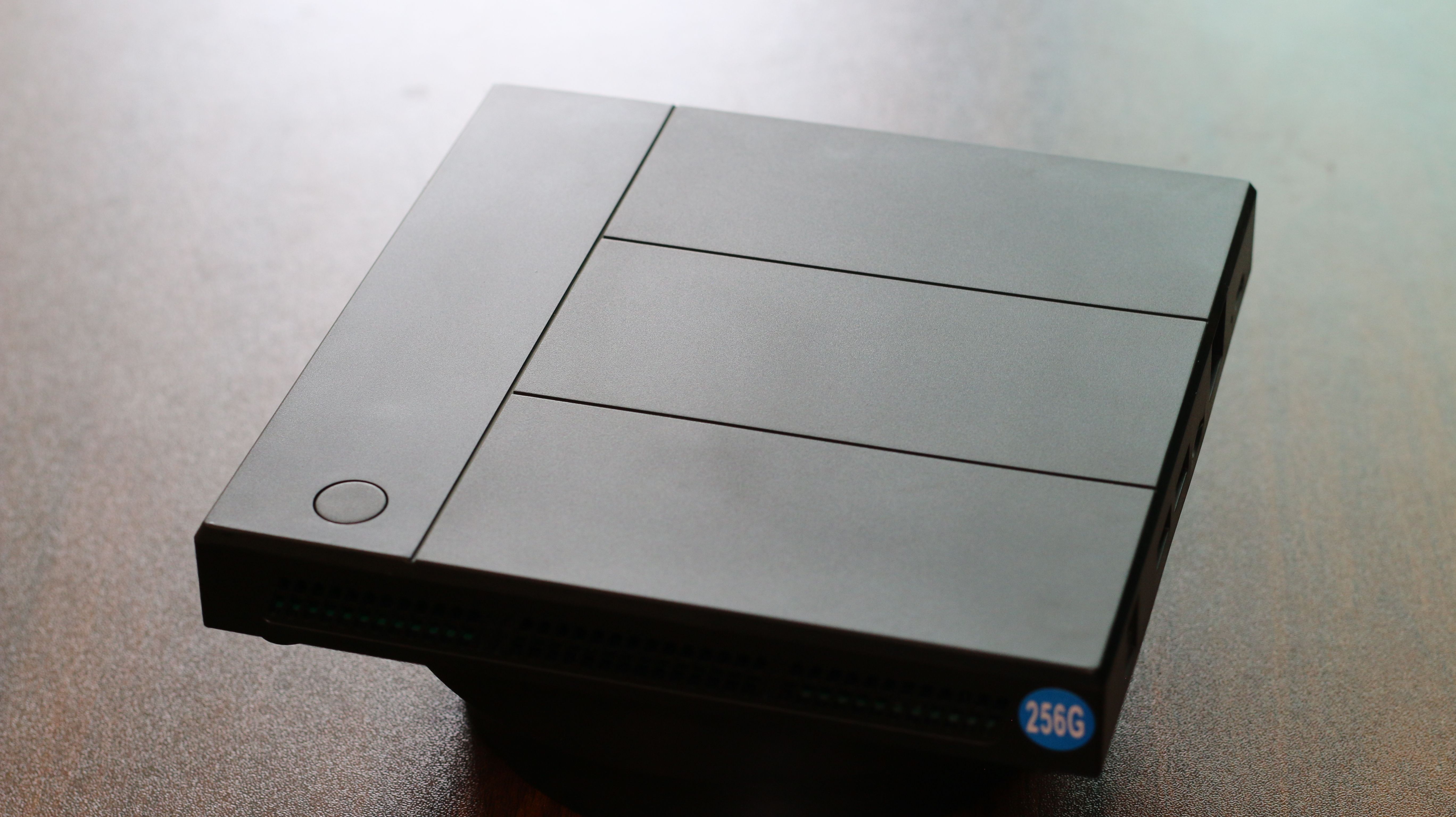
A Unified Molded Top Surface
The top surface has also changed. The previous piano-gloss finish has been replaced with the same unified injection-molded process used across the enclosure.
This gives the updated Z Box a more consistent visual language. The top surface now feels more integrated with the rest of the housing, with a quieter matte appearance that better fits modern living-room and desk setups.
It is also a more practical choice for everyday use. The older piano-gloss surface could hold fingerprints and smudges easily, which made the top panel look visually messy after regular handling. A unified molded surface reduces that distraction, softens the contrast between exterior materials, and helps the product feel less decorative and more purpose-built.
Front-Panel Lighting for Fan Modes
The updated exterior also supports clearer feedback from the front panel. Different fan modes can now be represented with different light display patterns, making it easier to understand the current cooling behavior at a glance.
This is a small detail, but it makes the system easier to live with. When users adjust fan behavior, the device can provide a visible response without requiring them to remember which mode is active.
Refined Without Becoming Larger
The refreshed exterior is not a dramatic redesign for its own sake. It keeps the Z Box familiar while improving the details that matter: more ventilation, a cleaner top surface, consistent materials, and clearer front-panel feedback.
Together with the updated interface, the redesigned remote, and the new cooling module, this exterior refresh helps the updated Z Box feel more complete, more practical.